Essential Firearms Training Tips for Beginners

Firearms training is a crucial step for anyone looking to responsibly own and operate a firearm. Whether you are a new gun owner or someone considering taking up shooting as a hobby, understanding the fundamentals of firearms training is essential. This guide will provide you with practical tips and insights to help you get started on the right foot.
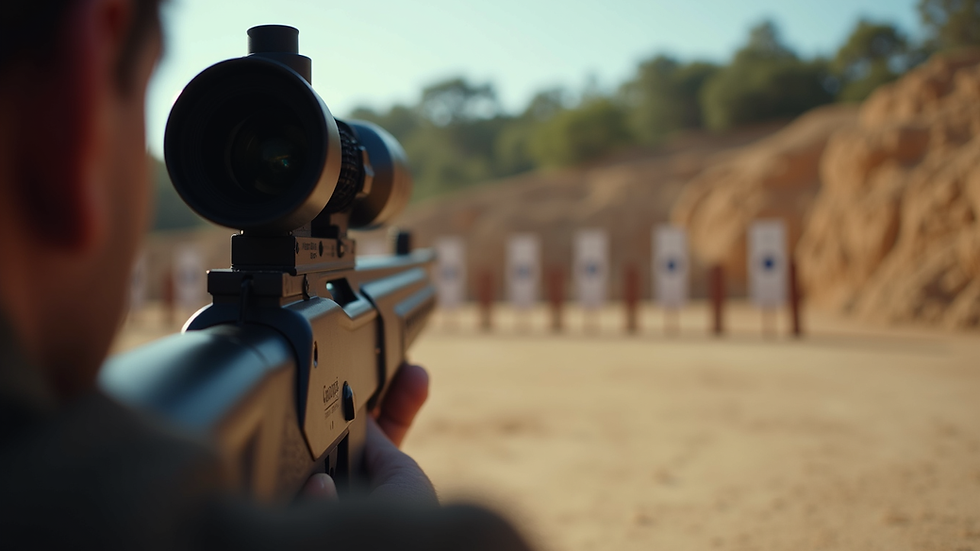
Understanding Firearm Safety
Before you even think about handling a firearm, you must prioritize safety. The following principles should be ingrained in your mind:
Treat every firearm as if it is loaded. This means you should never assume a gun is unloaded, regardless of the situation.
Always point the muzzle in a safe direction. This helps prevent accidental discharges from causing harm.
Keep your finger off the trigger until you are ready to shoot. This is a critical rule that can prevent unintentional discharges.
Be aware of your target and what is beyond it. Knowing what lies behind your target can prevent tragic accidents.
These safety rules are the foundation of responsible firearm ownership. Make sure to review them regularly and instill them in your training routine.
Choosing the Right Firearm
Selecting the right firearm is a personal decision that depends on your intended use, comfort level, and experience. Here are some factors to consider:
Purpose: Are you looking for a firearm for self-defense, sport shooting, or hunting? Different firearms serve different purposes.
Size and Weight: A firearm that is too heavy or large may be difficult to handle, especially for beginners. Consider trying out various models at a local range.
Caliber: The caliber of a firearm affects its recoil and ease of use. Beginners might want to start with a lower caliber to build confidence and skill.
Visiting a local gun shop or range can provide you with the opportunity to handle different firearms and receive expert advice.
Basic Shooting Techniques
Once you have selected your firearm, it’s time to learn the basic shooting techniques. Here are some essential skills to practice:
Stance
Your stance is crucial for stability and accuracy. A common stance for beginners is the Isosceles stance, where you stand with your feet shoulder-width apart, arms extended, and body facing the target. This position provides balance and control.
Grip
A proper grip is vital for accurate shooting. Here’s how to grip your firearm effectively:
Hold the firearm with both hands, ensuring your dominant hand is high on the back strap.
Use your non-dominant hand to support the firearm, wrapping it around the grip.
Keep your fingers off the trigger until you are ready to shoot.
Sight Alignment and Sight Picture
Understanding how to align your sights is key to hitting your target. Sight alignment refers to the relationship between the front and rear sights, while sight picture is how the aligned sights look when placed on the target. Practice aligning your sights consistently to improve accuracy.
Trigger Control
Trigger control is one of the most critical aspects of shooting. Here are some tips:
Apply steady pressure on the trigger without jerking or pulling.
Focus on squeezing the trigger straight back to avoid disturbing your aim.
Practicing at the Range
Regular practice is essential for improving your shooting skills. Here are some tips for making the most of your time at the range:
Start Slow: Focus on mastering the basics before moving on to more advanced techniques.
Set Goals: Establish specific goals for each range session, such as improving accuracy or mastering a new technique.
Keep a Journal: Document your progress, noting what works and what needs improvement.
Drills to Enhance Skills
Incorporate various drills into your practice routine to enhance your skills:
Dry Fire Practice: This involves practicing your grip, stance, and trigger control without live ammunition. It’s a safe way to build muscle memory.
Target Shooting: Set up targets at varying distances to practice your accuracy and adjust your sight picture.
Movement Drills: Practice shooting while moving to simulate real-life scenarios.
Understanding Firearm Maintenance
Proper maintenance of your firearm is essential for safety and performance. Here are some basic maintenance tips:
Clean Your Firearm Regularly: Use a cleaning kit to remove dirt and debris after each use. This helps prevent malfunctions and ensures reliability.
Inspect for Damage: Regularly check your firearm for any signs of wear or damage. If you notice anything unusual, consult a professional.
Store Safely: Always store your firearm in a secure location, such as a locked safe, to prevent unauthorized access.
Seeking Professional Training
While self-study and practice are valuable, seeking professional training can significantly enhance your skills. Consider enrolling in a firearms training course offered by certified instructors. They can provide personalized feedback and guidance tailored to your needs.
Types of Training Courses
Basic Firearms Safety Courses: These courses cover the fundamentals of firearm safety and handling.
Marksmanship Courses: Focused on improving shooting accuracy and technique.
Defensive Shooting Courses: Designed for those interested in self-defense scenarios.
Joining a Community
Engaging with a community of fellow firearm enthusiasts can provide support and motivation. Look for local shooting clubs or online forums where you can share experiences, ask questions, and learn from others.
Benefits of Community Involvement
Networking: Connect with experienced shooters who can offer advice and mentorship.
Events and Competitions: Participate in local shooting events to challenge yourself and improve your skills.
Shared Resources: Access to training materials, tips, and equipment recommendations.
Staying Informed
The world of firearms is constantly evolving, with new techniques, equipment, and regulations. Stay informed by reading books, watching instructional videos, and following reputable firearms blogs and forums.
Recommended Resources
Books: Look for titles that cover firearms safety, marksmanship, and maintenance.
YouTube Channels: Many experienced shooters share valuable tips and tutorials online.
Podcasts: Listen to discussions on firearms topics to gain insights from experts in the field.
Conclusion
Embarking on your firearms training journey can be both exciting and rewarding. By prioritizing safety, selecting the right firearm, mastering basic techniques, and seeking professional guidance, you can develop the skills necessary for responsible firearm ownership. Remember, practice is key, and engaging with a community can enhance your learning experience. Stay informed, stay safe, and enjoy the journey ahead.


Comments